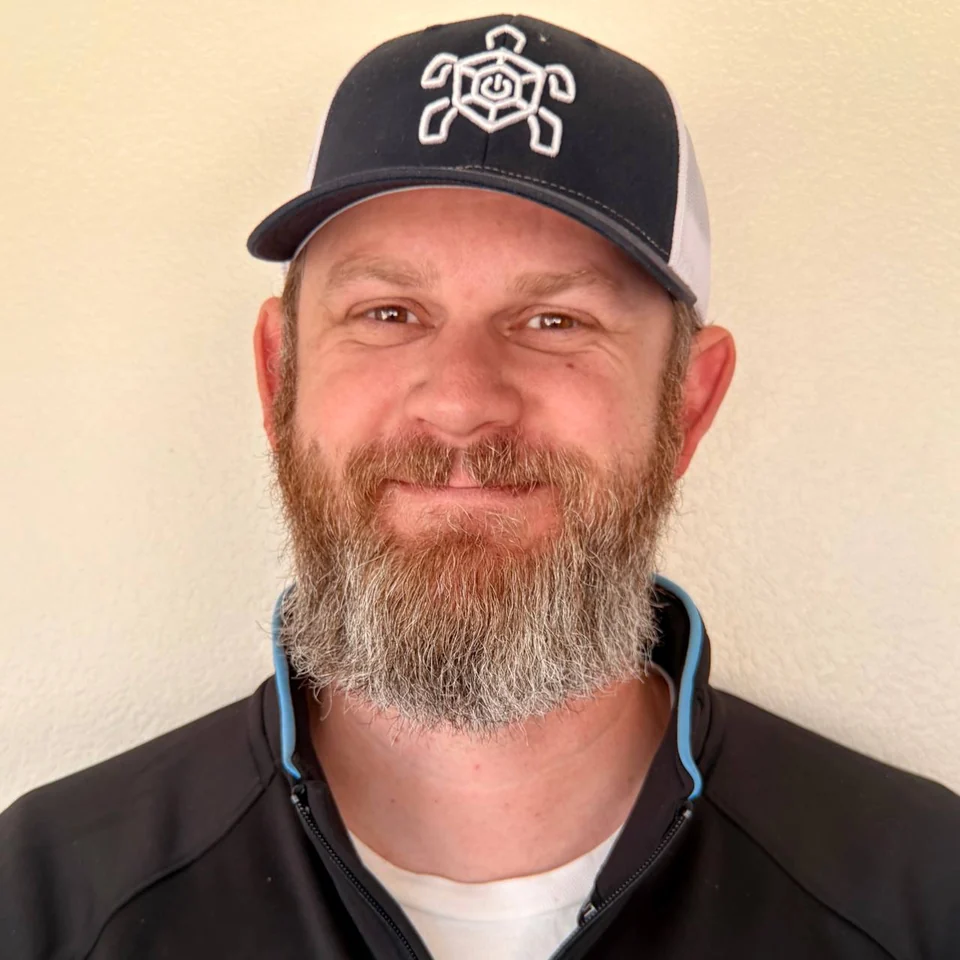
I’m a hands-on IT director and infrastructure engineer based in St. George, Utah.
I lead day-to-day technology operations while still working directly with Linux, Kubernetes, virtualization, networking, automation, and recovery. I care about systems that can be understood and trusted by the people responsible for them. That means documenting the work, testing the dangerous parts, and designing changes with a real rollback path.
I’m looking to bring that mix of technical depth and operational leadership into a senior infrastructure, platform engineering, or DevOps role.
Linux · Product and technical leadershipWorking prototype · Pre-alpha
Cairn Linux: a computer that grows with your child
I started Cairn for my children and lead its direction and AI-assisted development. The project has a working launcher and terminal integration, a public roadmap, and a live website. Permission hardening, recovery, and real-hardware validation remain release requirements; it is not yet ready for everyday child use.
Kubernetes storage · GitOps
Turning a live Longhorn backup policy into reviewable GitOps
A backup policy that existed only in a live Longhorn cluster, rebuilt as a reviewable GitOps artifact with schema validation, negative tests, and secret scanning.
Full case-study details load from portfolio.json.
Professional approach
01
Documented systems
I put operational configuration and procedures into reviewable source control so they can be understood, handed off, and changed deliberately.
02
Verification before confidence
Restore tests, automated checks, and written outcomes establish whether a system behaves as intended.
03
Conservative operations
I prefer proven tools, minimal dependencies, and changes that can be reviewed and reversed without drama.
04
Controlled disclosure
Technical evidence is sanitized deliberately so it demonstrates the work without exposing operational access or sensitive configuration.
Why Tortoise Tech?
I love turtles and tortoises, so when I briefly ran an IT installation business, Tortoise Tech was a natural name. I've since moved on from installation work, but kept the name and the little tortoise around. Today it's my personal brand and a home for my projects, with a nod to one of my favorite things outside of IT.